Tax Reductions under RDL 7/2026

Posted on: April 28, 2026
Why were these measures introduced?
Royal Decree-Law 7/2026 was approved in response to the impact that geopolitical instability in the Middle East is having on energy prices across Europe. Rising gas and oil prices have led to a direct increase in electricity bills, affecting both households and businesses. In response, the government has introduced a package of urgent measures with three main objectives: to reduce the immediate cost of energy for consumers, to protect the most vulnerable groups, and to move towards a more independent and sustainable energy system in the medium term.
Lower taxes on energy bills
RDL 7/2026 temporarily reduces the tax burden on energy by lowering VAT on electricity to 10% (down from 21%) and reducing the electricity tax to 0.5% (down from 5%). This translates directly into lower bills for Frank Energy customers, without the need to change tariffs or contracts, as the reduction is automatically applied to the final invoice.
Measures to contain prices
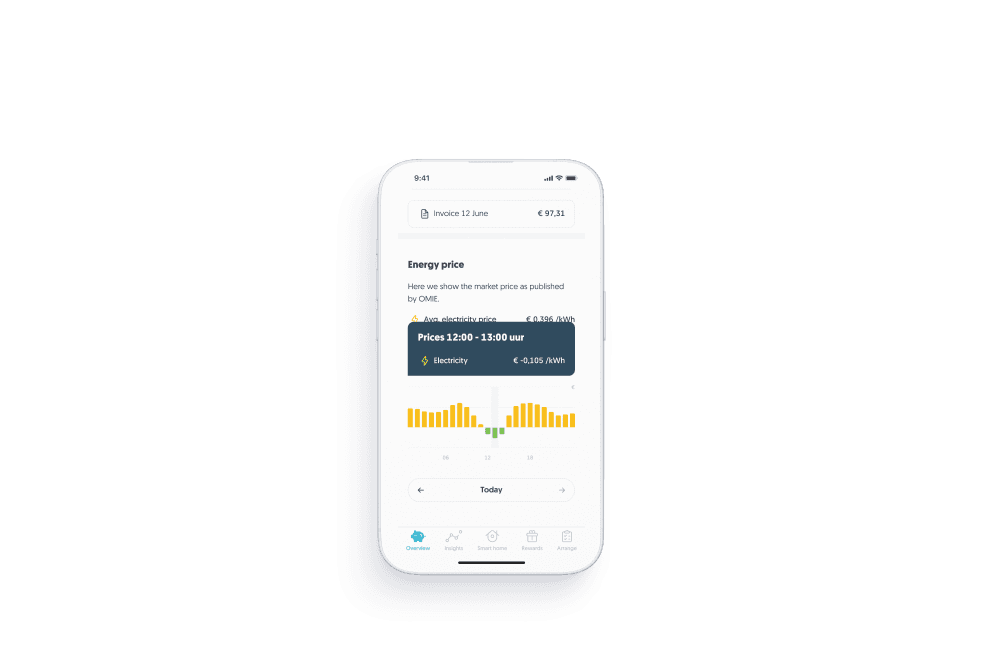
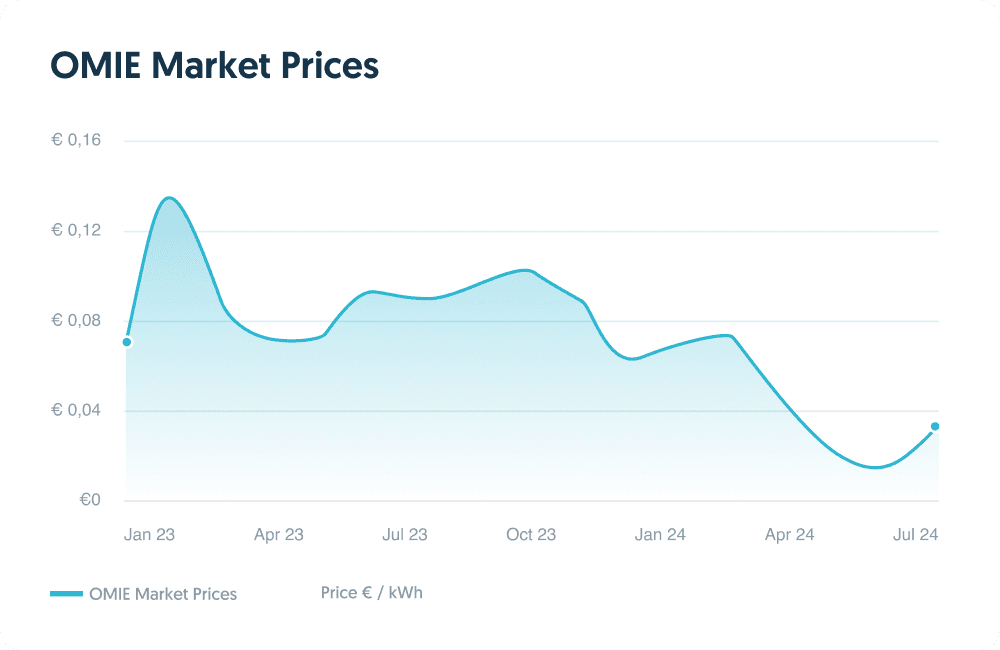
By reducing certain regulatory and fiscal costs in electricity generation, the decree aims to moderate wholesale market prices. While this does not guarantee direct savings, it can lead to lower or less volatile prices, especially for customers on indexed tariffs such as those offered by Frank.
Boost for self-consumption and electrification
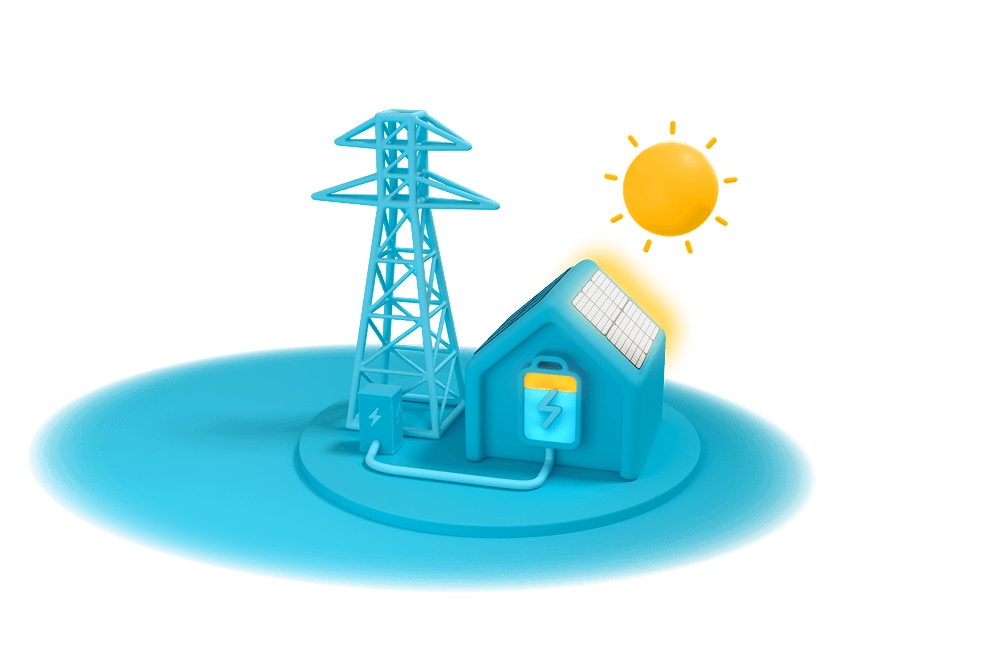
These measures are part of the government’s broader strategy to promote renewable energy, self-consumption, energy storage, and greater energy independence for consumers. These priorities align closely with Frank’s mission to accelerate the energy transition by empowering customers and helping them reduce their energy bills through our Smart Services.
Need more information? You can check the official BOE publication directly via this link.
Tessa de Boer
Especialista en Marketing de Contenidos
Como estratega de contenidos en Frank Energie, Tessa trabaja en diversos canales de comunicación: desde artículos para la base de conocimientos hasta redes sociales, sitio web y marketing por correo electrónico. Se encarga de hacer que los temas energéticos complejos sean comprensibles y accesibles, para que los clientes comprendan mejor sus opciones y tengan un mayor control sobre su energía.